What is Art Therapy?
Therapy for offbeat & exceptional teens, women & LGBTQ+ folks
Grief | ADHD | Chronic Illness | Disordered Eating & Body Image
Prism Art Therapy | Lee Ann Thill, PhD, Art Therapist
In-person therapy: Gibbsboro, NJ | Camden County | South Jersey
Virtual: NJ, CT, PA
Art therapy is a bridge between words and big feelings

Soothe raw emotions with art therapy
What if you were able to…
- Have fulfilling relationships with trust and good communication
- Manage stress and effectively cope with strong emotions without turning to self-destructive behaviors, like scrolling and bingeing
- Feel confident about dealing with challenging situations, like disagreements, unexpected events, difficult tasks
- Have a-ha! moments about what hasn’t been working, try new ways to deal with stress, and recognize when to ask for help when you feel overwhelmed
- Figure out goals, so you can take steps towards creating the life you want
- Build skills so you can deal with change and loss in the future, like going to school, changing jobs, moving, relationship changes
- Recognize progress and feel hopeful about the future
What is art therapy?
(technically speaking…)
- Guided art-making is combined with psychotherapy to help people explore thoughts, feelings & experiences
- No artistic training or talent is required and it’s used with people of all ages
- Benefits include emotional expression, problem-solving, insight, confidence, feeling energized & activated, and stress reduction
- Art therapists’ education includes human development, counseling theories, psychopathology, ethics, and skills and theories specific to art therapy
- Licensing varies by state. In NJ (LPAT) and CT (CLAT), only licensed art therapists can call themselves “art therapist” and describe the service they offer as “art therapy.” In PA, art therapists are licensed as licensed professional counselors (LPC)
- Nationally, art therapists are credentialed by the Art Therapy Credentials Board

Who can benefit from art therapy?
Art therapy can benefit people with a variety of therapy needs, and it is not necessary to be an artist to benefit. When we work together, I’ll consider your specific issues, what you’re hoping to get from therapy, and your experience with artmaking.
Overall, art therapy is a flexible approach that can be tailored to your needs.
Teens
- Focus on art eases self-consciousness in therapy
- Focus on art makes talking about sensitive topics feel less direct, so teens can maintain comfortable level of privacy
- Making choices about materials and topics during artmaking process increases sense of control over the therapy process
- Learning or practicing artmaking skills promotes confidence and sense of accomplishment
- Working with “mistakes” or finished art that doesn’t meet expectations improves flexibility and reactivity
Adults
- Reconsider past events in a new light to develop more a nuanced understanding and self-compassion
- Use art to represent and think through big life choices
- Reflect on goals and concerns about the future
- Address perfectionism and either/or thinking
- Understand and manage self-defeating or self-destructive thoughts and behaviors
- Explore deeper level emotions that can be difficult to talk about as adults, like grief, shame, resentment
- Explore significant life events and losses
How does art therapy work?

Your Brain on Art Therapy
Art therapy lights up more parts of the brain, compared to regular talk therapy, because you’re actively doing something and using more of your senses. Importantly, you don’t have to be talented or skilled with art. You only have to be willing to play with art materials and see what happens.
Neuroscientists are finding evidence that using art in therapy activates the brain’s cognitive, emotional, sensorimotor and executive functions.
Using more parts of the brain builds connections, known as neural pathways, which changes how the brain is structured and enhances how it functions. The brain’s potential to change is called neuroplasticity, which can lead to positive changes in learning, memory, cognitive function and emotional regulation.
Creativity is Key
Creativity is associated with cognitive, emotional and exectutive functions, and in the case of art-making, sensorimotor function is needed to translate ideas and emotions into visual expression.
In art therapy, you’ll use creativity to play with ideas and experiment with art materials, so we can better understand your specific concerns and figure out what will help you feel better. Discussing how your art relates to the problems you’re having and the ways you want things to be different in your life, activates analytical and critical thinking skills, which are just other types of creative thinking.
All of this adds up to a boost in neuroplasticity, so you can be on a path to accomplish changes you hope therapy can provide.
Working with an Art Therapist

During the first session, we’ll talk about why you came to therapy and how I can help you. You’ll be able to ask questions, tell me about issues you’re dealing with, and what you hope will be different after therapy. Building a connection is important because a “good fit” is an important part of therapy.
After that intake session, a typical session has three parts:
- Talk about what’s been happening since we last met and what’s on your mind
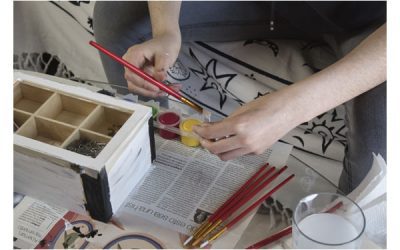
- Work on art that’s related to why you’re in therapy and/or anything on your mind that you want to focus on
- Discuss your art – what you tried to express, decisions you made as you worked, thoughts and feelings that have come up
Once you’re familiar with how an art therapy session flows, I’ll ask for your input about topics. Oftentimes, you’ll make art that can be completed in a one session. However, we can also make art that requires more steps and takes more than one sessions to complete.
Regardless of what kind of art you make, one of my jobs is to guide the process and discussion towards the issues that matter to you and what you want to accomplish, so you have less chaos and conflict, and feel like you have a better handle on your life, what you want, and how to make that happen.
Discover what success can look like with Prism Art Therapy
Art therapy can help you deal with mental health concerns and it supports emotional health. You can better understand yourself and work on skills to address whatever is stressing you out, build on strengths, and just feel better about yourself.
Contact Lee Ann with questions or self-schedule a free 15-minute consultation.